Farming PHilosophies
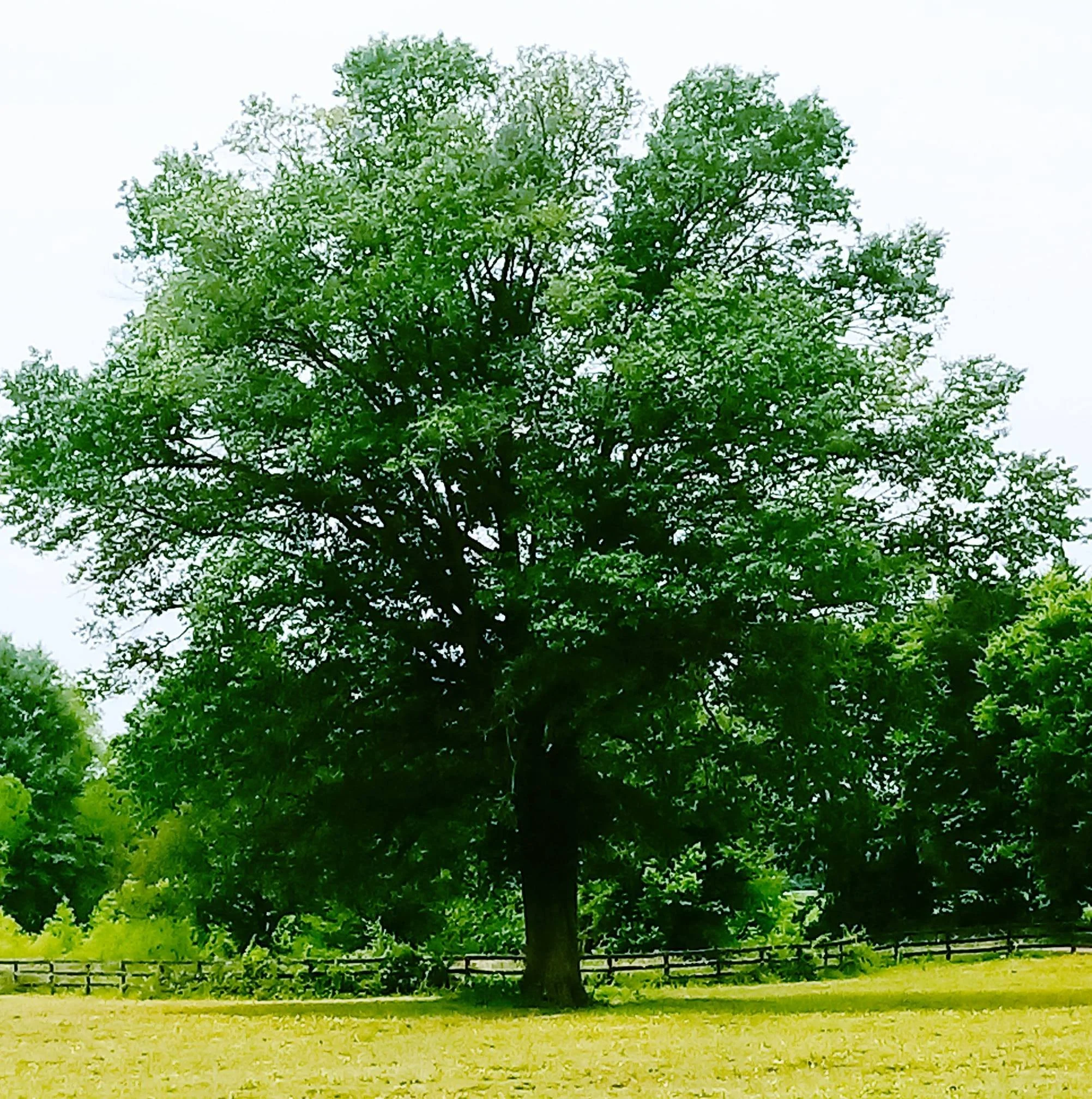
Skara Brae Homestead balances agriculture and the environment through regenerative agricultural management. We've created a predominantly self-sufficient, closed-system small farm that harks back to historical homesteads, utilizing numerous pre-Industrial Revolution practices. These practices allow us to stack functions, maximizing small-scale production using organic, chemical-free methods with minimal need for fuel-powered equipment. Our journey is a testament to the potential of regenerative agriculture to transform the farming landscape.
Our primary goals are to:
Build soil health to improve fertility
Improve water flow and retention to prevent erosion and standing water
Sequester carbon to create a net zero operation
Improve agrobiodiversity & biodiversity
Humanely raise livestock and poultry
Produce nutrient-dense produce
With ultimate goals to:
Build a community of supportive members
Improve the health of ourselves, our community, and our land
We continually work to achieve the above goals by utilizing the following practices and others.
Heirloom Plants & Heritage Breed Livestock
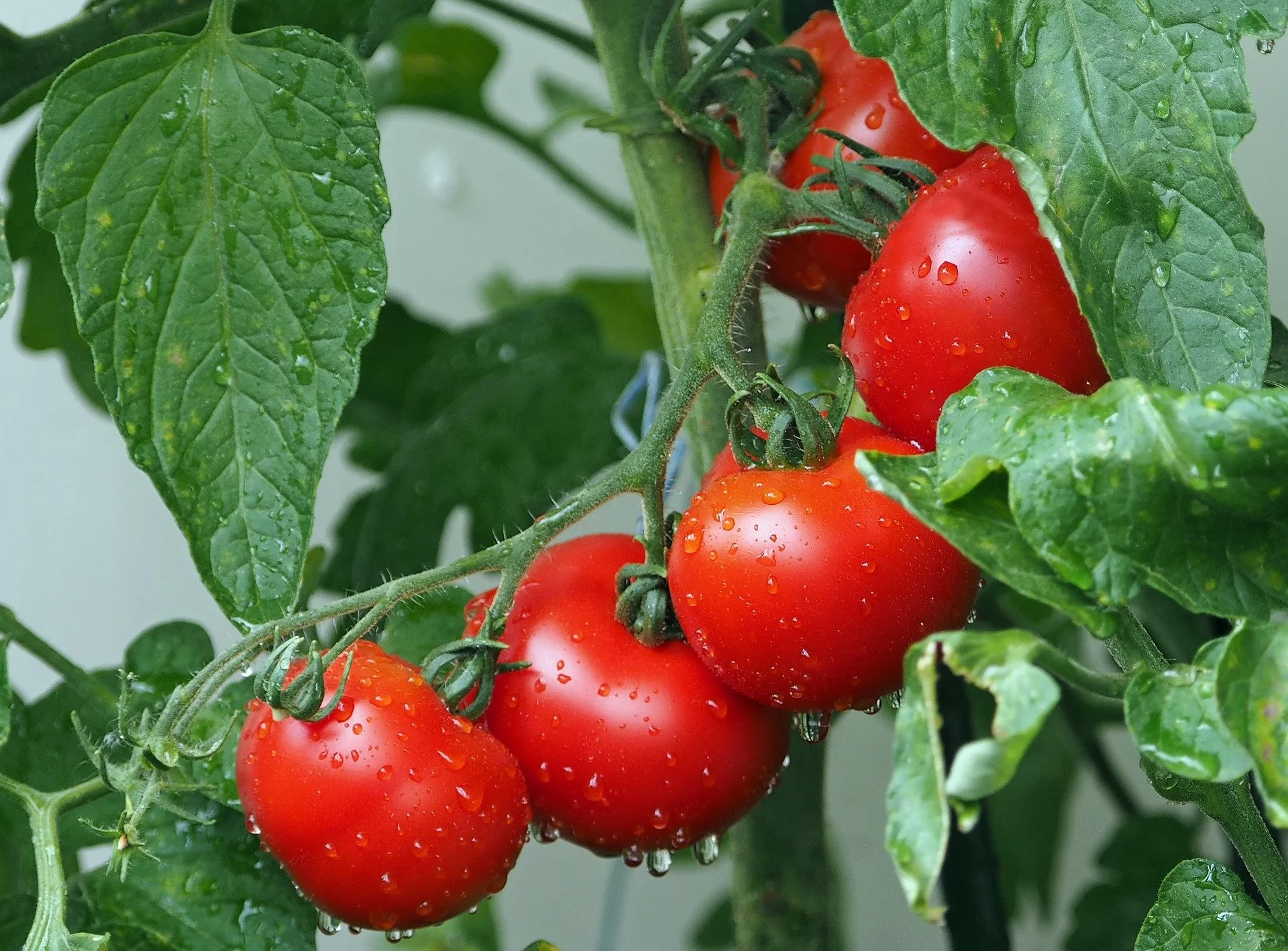
The world’s agrobiodiversity is rapidly declining, putting food security at risk. Seventy-five percent of plant genetic diversity has gone extinct. Sixty percent of all calories consumed are from three plants (wheat, corn, rice). Ten percent of livestock breeds have become extinct, with an additional thirty percent at risk. By focusing on heirlooms and heritage breeds, we conserve a portion of agrobiodiversity, create a market for their use, honor their history, and ensure their genetics continue to thrive. Please visit our Homestead Stock page to learn more about our livestock.
Silvopasture
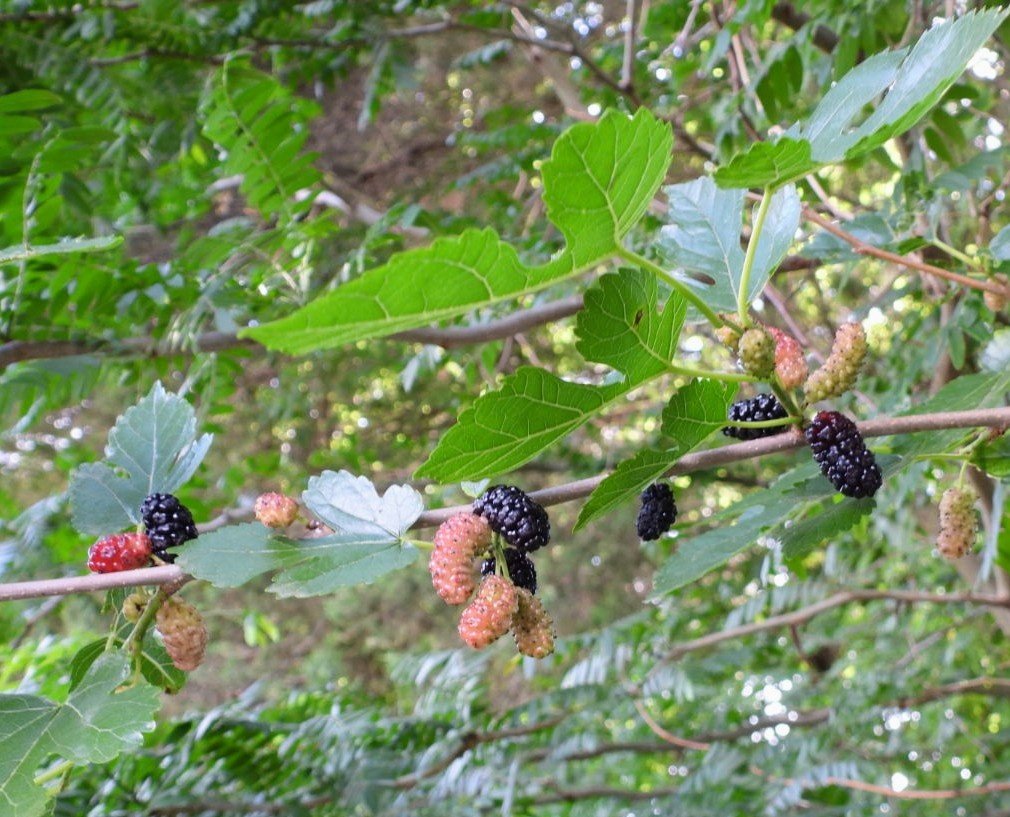
A silvopasture is a grazing area incorporating trees for additional forage and product production. Our silvopasture takes our foraging vertical. It also allows us to produce fruit, nuts, and wood while providing year-round foraging. Scientific studies have shown that silvopasture reduces livestock stress, improving our stock's quality of life. The trees hold water and sequester more carbon than straight pasture.
Rotational Foraging
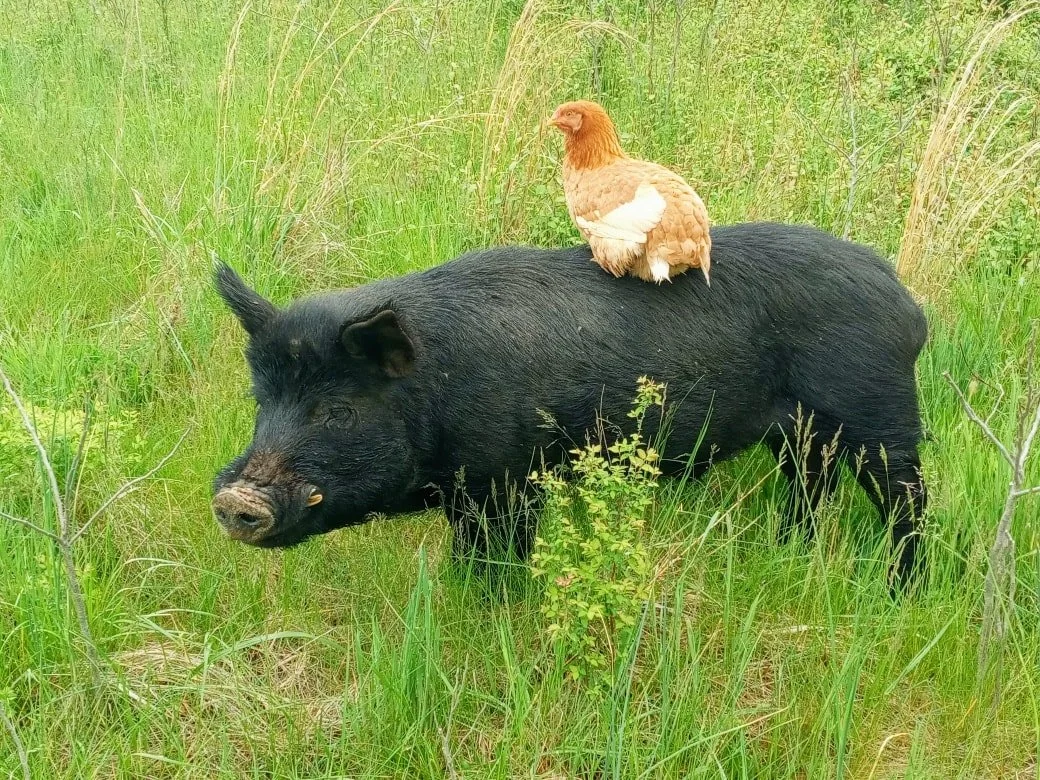
Our livestock and poultry forage year-round. They are moved daily to spread their manure directly onto the ground, adding nutrients and aiding parasite management.
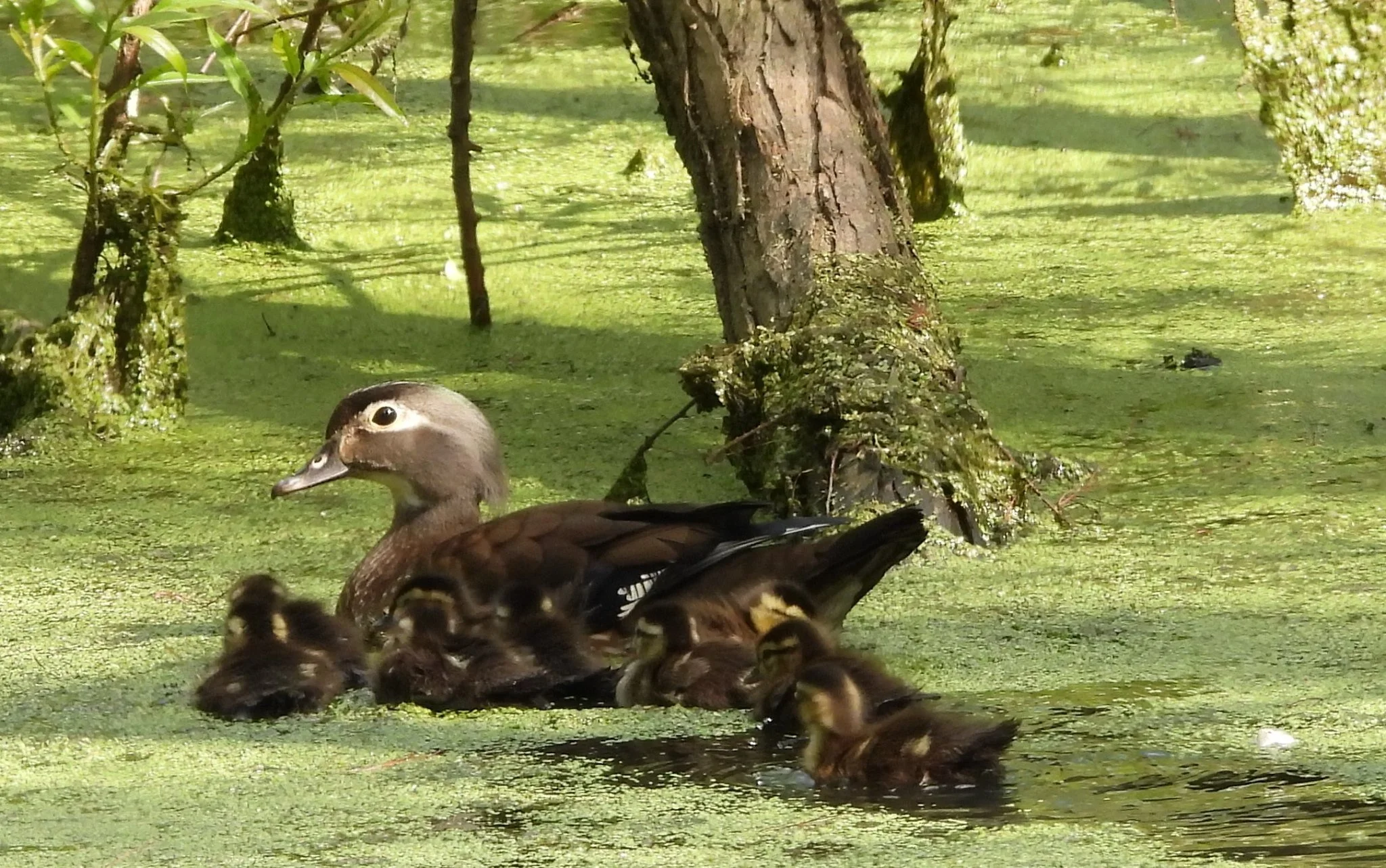
Wildlife Corridors
These strips of natural habitat provide living areas and allow wildlife to move around and through our farm. We aim to live in harmony with the wildlife and not exclude it, thus maintaining the biodiversity of our property.
Tree Hay
Tree hay is one of the oldest forms of haymaking and is mentioned in ancient Roman texts. Tree hay is made by pollarding or coppicing a tree during late June - early July when the nutrients are at their highest. The branches are gathered, bundled, and stacked to dry for winter feeding. No large equipment or large fields are needed.
No-till Gardening
Minimal disturbance helps the soil maintain its structure and retain its captured carbon and water.
Compost & herbal Teas, Rotational Plantings, Trap Crops, Companion Plantings
These are just some strategies we use to eliminate the need for chemical fertilizers, pesticides, herbicides, and fungicides.
Looking at the big picture, our Fulldiet Farmshare sale model is the centerpiece that led to the building of Skara Brae Homestead, as seen today. By focusing on a limited number of members, we have been able to diversify and maintain small-scale production. Our Fulldiet Farmshare model offers a variety of produce and products from the farm, providing a balanced and diverse diet for our members. We have avoided mono-crops and large stock numbers that require input beyond what the land can provide.
We actively encourage everyone to buy local and eat seasonally. By seeking out direct-to-consumer family farmers or grocers who support local foods, you can play a crucial role in supporting food freedom and making local foods more accessible and affordable. Food is essential to our lives; it provides the building blocks. If our society focused more on what people put into their bodies, they would heal themselves, our communities, and the land.
Do you wish to learn more about some of the subjects mentioned above? Check out these links::